
How to Create a Personal Funeral: Music, Memories and the Details That Matter
When someone dies, there can be so much to think about: the venue, the music, the readings, the flowers and all the practical arrangements. In the middle of it all, families often come back to one important question:
How can we make the funeral feel like them?
As a Lancashire celebrant, this is at the heart of how I approach every funeral ceremony. I believe the most meaningful funerals begin with the person: their life, their relationships, their personality and all those little things that made them them.
My own experiences of saying goodbye to people I love have shaped this belief too. I know how much a song, a colour, a handmade item or a few carefully chosen words can come to mean when someone is no longer here.
There isn’t one right way to hold a funeral. A personal funeral doesn’t need to be grand or elaborate. It simply needs to reflect the person being remembered and feel right for the people gathered to say goodbye.
Begin with the person, not a checklist
Start by talking about them.
What did they love? What made them smile? What made you smile about them? What would people immediately recognise as being part of who they were?
It might be a favourite song, a familiar phrase, the way they welcomed people into their home or a hobby they could talk about for hours. Often, it’s the smallest details that tell us as much about someone as the big milestones.
You don’t need to capture a whole life in one funeral ceremony. Instead, you’re choosing moments, stories and qualities that help the people gathered recognise the person they knew and loved.
Sometimes, the words matter before the funeral
My step-mum, Coral, was poorly, and we knew time was precious. I asked her if I could write her eulogy and read it to her while she was still here.
I explained that at funerals we often hear beautiful things said about someone, yet the person we’re remembering may never have heard those words themselves.
I wanted Coral to know how I felt about her. So we agreed that I would write her eulogy.
I had the absolute honour and privilege of reading it to her. I held her hand as we shared love and memories together. It was the last time we were together.
Writing and reading those words helped me through my own grief. I was able to tell Coral what I wanted her to know — and, importantly, she was able to hear it.
I know this isn’t the right choice for everyone. It is simply one experience from my own life that has stayed with me.
There is no expectation to write words in advance and there is no right or wrong way to grieve. Every person, every family and every relationship is different.
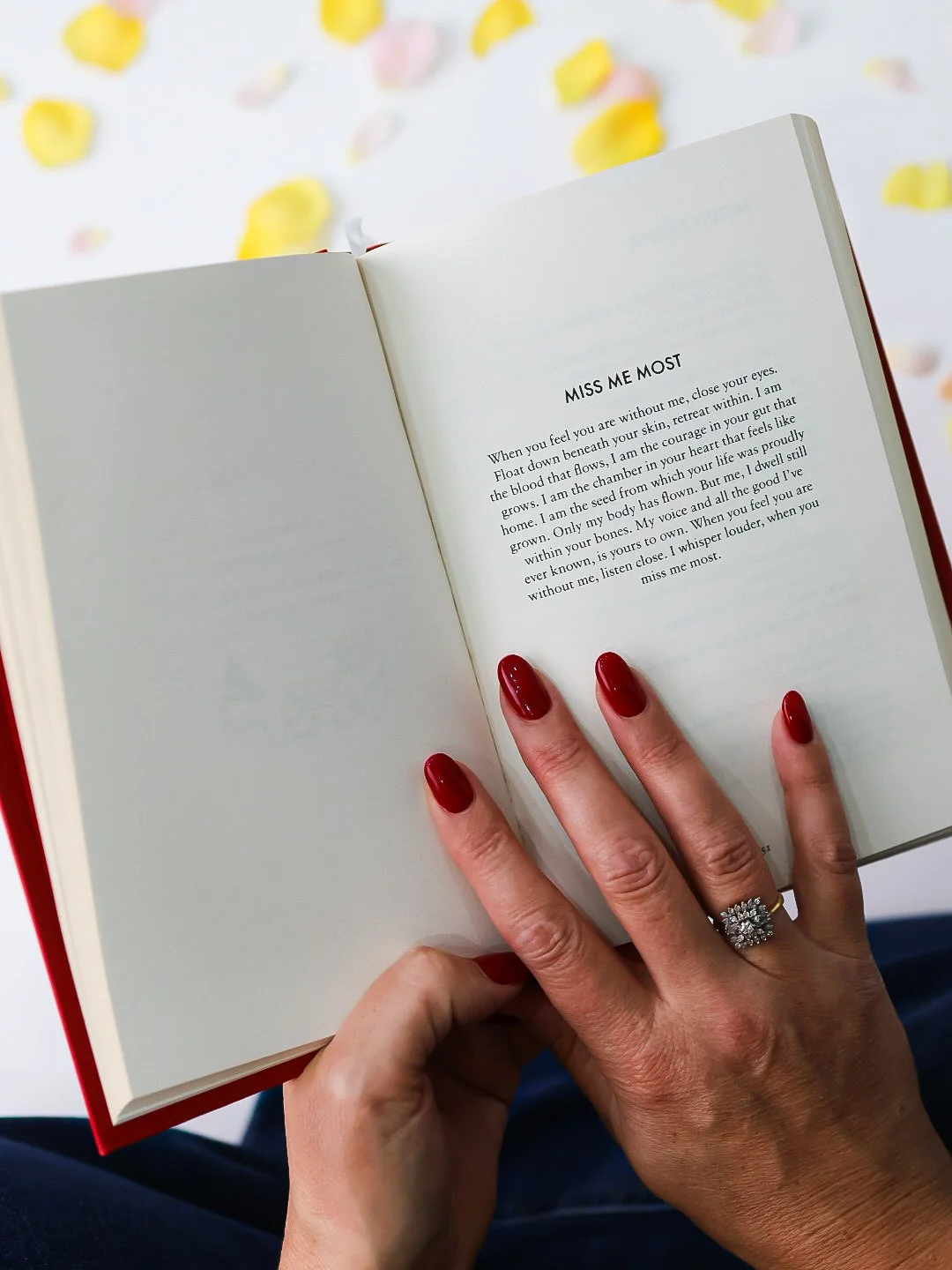
Choose funeral music with meaning
Music has an incredible ability to bring someone into the room in an instant.
A song can take us straight back to a person, a place or a moment we thought we had forgotten.
When we were choosing music for my dad’s funeral, there were many songs we could have chosen. His favourite colour was yellow, and Coldplay’s Yellow resonated with us. It brought together music and a colour that felt so much a part of him.
For me, that song now carries love, memories and a connection to Dad that goes far beyond the music itself.
That’s why funeral music doesn’t have to be traditional. The most important thing is what it means to you and your family.
You might choose something gentle as people arrive, a special piece for a moment of reflection, or something brighter to close the funeral ceremony. There are no rules saying a funeral has to sound a certain way.
Include the little details that feel like them
Creating a personal funeral can sometimes be about the smallest details.
A favourite colour in the flowers. Photographs from different stages of life. A treasured possession. Something connected to a hobby. An item they made themselves.
At my auntie Jackie’s funeral, quilting was such an important part of her life. I dressed the chapel with her beautiful quilts so that her own work surrounded us as we said goodbye.
I wanted people to see this part of Jackie’s story and to feel that something she had created with her own hands was there with us.
It made the funeral feel deeply personal and unmistakably hers.
Sometimes one detail carries a whole story.
It could be a treasured possession, something handmade, a photograph, a football scarf, flowers from a garden, a favourite book or something that simply reminds the family of time spent together.
It doesn’t have to mean something to everybody in the room. If it means something to you, it belongs in the conversation.
Make space for different memories
Families don’t always remember someone in exactly the same way — and that’s okay.
One person may remember their kindness. Someone else remembers their humour. Another person might remember their determination, their sayings or those wonderfully particular habits that made everyone smile.
A personal funeral can make room for all of these different memories.
You might include a tribute, invite family or friends to speak, or ask your celebrant to gather stories and weave them together into a reflection of the person’s life.
And there should never be pressure for anyone to speak.
Some people may want to share their memories privately with the celebrant and hear them included in the ceremony. Others may simply want to be there and listen.
Both are equally meaningful.
Let the funeral reflect your family too
A funeral is a farewell, but that doesn’t mean it has to be solemn from beginning to end.
There may be tears. There may be laughter. There may be quiet moments and stories that somehow bring both at exactly the same time.
If humour was part of the person’s life, then a funny story may be completely appropriate. If your family would rather keep things quiet, gentle and simple, that can be right too.
There is no template for the perfect funeral.
The ceremony should create space for people to remember and say goodbye in a way that feels comfortable and genuine to them.
You don’t have to plan everything at once
When you’re grieving, even simple decisions can feel difficult.
You don’t need to sit down with a celebrant knowing exactly what you want your funeral ceremony to look like.
We can start with one memory.
One song.
One photograph.
Or simply with what you hope people will feel when they leave.
As a Lancashire celebrant, my role is to listen first. I take time to hear the stories that matter to you, understand the person behind them and gently help you shape those memories into a funeral ceremony that feels personal and true.
Together, we can create a farewell that honours the person you love and gives your family the space to say goodbye in your own way.
Every life is different, and every farewell can be different too.
The most personal funerals aren’t about getting everything perfect. They’re about recognising the person who mattered and making room for the love, laughter, stories and memories they leave behind.
If you’re beginning to think about arranging a funeral, celebration of life or personal funeral ceremony in Lancashire, I’m here to listen, guide you through the choices and help you create something that truly feels like the person you are remembering.